|
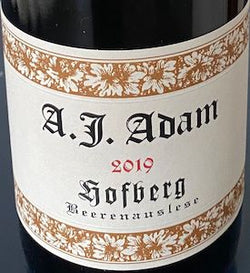
Confidence breeds confidence, and we Australians are famous for having it in spades. As individuals we have to a large degree shrugged off the global economic crisis. The banks and credit markets are yet to follow, but the sharemarket, our exchange rate and retail sales are all in recovery mode. Eurocentric Wine Imports is well placed to grow through this recovery thanks to a determination to forge ahead through the downturn. Call it crazy, call it brave, but the decision to expand the portfolio as other markets froze or cancelled orders will benefit Australian wine drinkers in the long term. Deals have been struck to secure a good allocation of boutique wines now and into the future, and I believe the growers will continue to honour this faith and commitment. Already 33 new producers have joined the Australian marketplace through Eurocentric, and another 12 are waiting in the wings for their opportunity in 2010, including four more cult Champagne producers, a host of brilliant red and white Burgundies, our first Rhone and our final member of the strongest lineup of German wines available in Australia. Australians are enjoying a greater range of fantastic European and European-style wine, confident in the knowledge that they have been made with loving care, chosen by an enthusiast and transported in refrigerated trucks and ships to preserve their condition perfectly on the long journey down under. It's an expensive process, what with cumulative taxes, road freight, shipping charges and proper temperature-controlled, but there is no point in cutting corners to save a few pennies and ruining the wine in the process. Now available Australia wide are great wines from: Germany: Ten of the nation's best offer everything from dry riesling to luscious and incredibly rare TBAs. Robert Parker's Wine Buyer's Guide Volume 7 rates just 19 producers in the top echelon, and we have six of them -- the Nahe's hottest labels, Schafer-Frohlich and Emrich-Schonleber; Zilliken in the Saar; Knebel in the Lower Mosel; and Reinhold Haart and Willi Schaefer from the Middle Mosel. Then there's the Pfalz. The influential German wine guide Gault Millau rates just one winery there five stars, Rebholz, and we have their intriguing rieslings, low-alcohol gewurztraminer and other varietals available. From the Middle Mosel we also have crowd favourite Schloss Lieser, made by Thomas Haag, and the fast-rising Schmitges from the slopes of Erden. Arriving in February are the rich dry rieslings from Van Volxem in the Saar (2007 and 2008), while still to come are the 2007s from Carl von Schubert's legendary Ruwer domaine Maximin Grunhaus. France: We have the highest-ranked boutique producer in Champagne, Ployez-Jacquemart, rated by Revue du vin de France as 14th of all producers -- the only small house in the top 29. There is also Henri Billiot from the grand cru pinot noir village Ambonnay, René Geoffroy from Cumieres, both getting rave reviews from critics and fast wooing Champagne lovers across Australia, and biodynamic, zero-dosage cult producer David Léclapart from Trepail. We've made a great start in Burgundy, with producers who get a healthy share of impressive reviews from Burghound, Wine Spectator, Stephen Tanzer and Robert Parker's Wine Advocate (through David Schildknecht). Dupont-Tisserandot is one of the largest land holders in Gevrey-Chambertin and is defying the ever-spiralling prices of the region, producing enticing wines from village level to grands crus that regularly score in the mid-90s. Humbert Freres is also in Gevrey and produces a range of rich, powerful pinots, ranging from a delicious Fixin through some rare premier crus and a Charmes grand cru. Rising star Aurélien Verdet offers a small parcel of wines from the most famous villages in Burgundy, including two Nuits St Georges 1er crus. New arrivals Camille Giroud and Domaine des Croix are both crafted by 30-year-old David Croix, described by Clive Coates as a genius. Alex Gambal is a negociant involved in every aspect of the wine-making process and with access to some of the best parcels of fruit across the Cote d'Or. More whites are provided by the Cote Chalonnaise's leading chardonnay producer, Stéphane Aladame (on the wine list of nine three-star restaurants in France, yet inexpensive); Domaine Matrot from Meursault, with some of the best premier crus around and a bargain bourgogne blanc under screwcap; Jean-Philippe Fichet (Meursault), with a bargain aligote and delicious village Burgundies that would give any premier crus a run for their money; Benoit Ente, a small quality-driven estate in Puligny Montrachet; and contrasting styles from rising Chablis stars Jean-Claude Bessin and Frederic Gueguen's Domaine des Chenevières. Beaujolais starts very strongly with the serious village and crus of Jean-Marc Burgaud, rated by Parker as one of only eight five-star estates in the region. South Africa: The enticing wines of Stellenbosch star Dombeya are selling strongly, with the show-stopping chardonnay, shiraz and bordeaux blend defying their mid-range price points to woo retailers and restaurateurs with their quality. New Zealand: The French-inspired New Zealand red, white and sweet wines of Alluviale and Dada have been an instant hit with jaded drinkers and sommeliers. Hawke's Bay is expected to gain an even stronger position in Australia through the latest arrivals, Ash Ridge and Unison, the latter a regular winner in Gourmet Traveller Wine reviews. Martinborough is the home of leading Bordeaux-style boutique producer, Benfield & Delamare, with one mesmerising wine on our list. The South Island is represented by Central Otago renegade Surveyor Thomson, a single-vineyard wine that aims to tackle the French at their own savoury game, and the intriguing whites of Nelson producer Redoubt Hill. Soon there will be more red and white Burgundies, our second Beaujolais producer, Roland Pignard, the cult champagnes of Vouette et Sorbee, Georges Laval, Ulysse Collin and Chartogne-Taillet, and gorgeous Rhones from Domaine des Espiers. If you'd like something else sourced, feel free to suggest it! |